

Responsible Investing

How integrity, environmental, social and governance considerations form part of every Nabrel investment.

Part of underwriting, not an afterthought

Energy, infrastructure and logistics assets shape the communities and environments around them. We treat the following as part of the investment case, alongside financial and legal risk, because a weakness in any of them can reduce the value of an asset or end a transaction.

We screen owners, directors and counterparties for KYC, sanctions, politically exposed person and anti-bribery risk before we engage, and again before closing. We agree governance terms, including information rights and consent matters, at the outset of every transaction.

We assess each asset’s environmental permits, emissions and spill or leak history, and its realistic path through the energy transition. We take the cost of compliance and of change into account in our underwriting, rather than treating them as someone else’s problem.

We review operators’ health and safety records, labour standards and supply-chain practices, including the risk of modern slavery, and how an asset affects the communities near it.

After investment, we monitor performance against the standards agreed at the outset, follow up on incidents and open actions, and report to partners on a schedule set for each transaction.

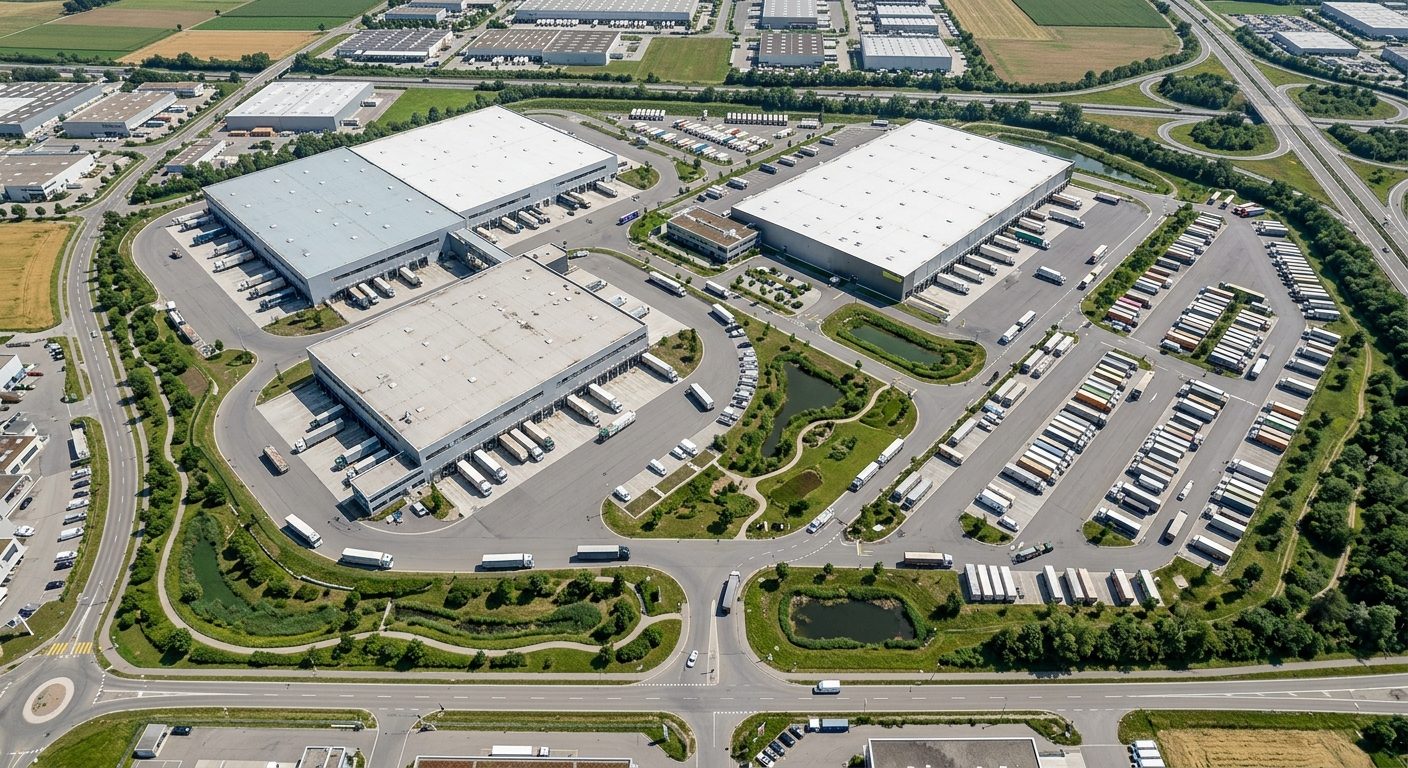
Aerial view of a logistics park with large warehouses

Our view of the energy transition

Economies need reliable, affordable energy today, and they are changing how energy is produced, moved and used. Both facts matter to how we invest.

We consider each asset’s realistic role and lifespan in that transition, and we favour investments with a clear economic case, sound terms and responsible operators. We do not assume that any single outcome will occur; we test our underwriting against several, including scenarios in which demand for an asset’s services falls faster than expected.

Where an asset needs to change to remain viable, we ask what that change would cost and who would bear it before we invest.

Questions we ask before we invest

Illustrative of the diligence we carry out.

  • Does the operator have a documented safety management system and reportable incident records?
  • Are environmental permits current, and are there outstanding notices or enforcement actions?
  • What is the asset’s history of spills, leaks or emissions incidents?
  • How does the operator manage contractors and labour standards on site?
  • Who are the ultimate owners, and are any subject to sanctions or adverse findings?
  • What anti-bribery controls are in place, and how are they tested?
  • What is the realistic outlook for demand for this asset’s services over its life?
  • What would it cost to adapt or decommission the asset, and who is responsible?

What we expect of operators

  • A managed approach to health, safety and the environment
  • Compliance with permits, licences and applicable law
  • Fair labour practices and responsible supply chains
  • Effective anti-bribery and anti-corruption controls
  • Open and timely reporting to investors, including on incidents

Where it enters our process

Considered at every stage

Origination

Integrity and exclusion screening. We decline opportunities with unacceptable ownership, conduct or sanctions exposure.

Underwriting

Environmental and social review, including permits, incident history and the cost of compliance and change.

Execution

Governance, reporting and covenant terms that give investors visibility and the right to act.

Oversight

Monitoring, follow-up on incidents and open actions, and reporting to partners.

Our investment approach

Questions about responsible investing

Our industrial infrastructure focus includes oil and gas value chains, such as storage terminals, alongside power, transport and water infrastructure. We assess each asset’s environmental exposure and its realistic path through the energy transition before we invest.

We screen owners, directors and counterparties for sanctions, politically exposed person, KYC and anti-bribery risk before we engage and again before closing.

Partners receive reporting on a schedule agreed for each transaction, which includes material environmental, health, safety and governance matters.

Latest insights